Hey guys, thank you very much for your answers. I actually ended up adjusting the code that @quachpas linked to to fit my needs. The code is super long, so I wrapped it into a function which I can import from a dedicted glossary.typ file. Here’s the code in its entirety for anyone interested. glossarium-default.typ is also taken from the glossarium repo.
#import "deps.typ"
#import deps.glossarium: make-glossary, print-glossary, register-glossary
#import "assets/glossarium-default.typ": *

#import "globals.typ": text-size


#let glossary(
  lang-map,
  latin-symbols: (),
  greek-symbols: (),
  abbreviations: (),
) = {
  heading()[#lang-map.at("sym-abb-title")]
  let symbols = latin-symbols + greek-symbols

  show: make-glossary
  register-glossary(symbols)
  register-glossary(abbreviations)

  // Definitions for the tables
  let show-all = false
  let left-padding = 0.7cm
  let tbl-stroke = 0.5pt
  let tbl-sym-top-space = -1.135em
  let tbl-abb-top-space = 1.21em
  let tbl-row1-inset-bottom = -0.09em
  let tbl-inset-top = 0.79em
  let tbl-inset-bottom = 1.272em
  let left-col-width = 3.37cm
  let desc-col-width = 9.84cm

  // Styling of tables
  show table: set text(size: text-size)
  set table(
    stroke: (_, y) => (
      bottom: if y == 0 { tbl-stroke },
    ),
    align: left + top,
  )
  // Move the whole table to the right a bit
  show table: it => { pad(left: left-padding)[#it] }

  show table.cell.where(y: 0): set text(weight: "bold")
  show table.cell.where(y: 0): set block(inset: (bottom: tbl-row1-inset-bottom))

  // Symbols
  v(tbl-sym-top-space)
  // Original code from https://github.com/typst-community/glossarium/blob/785e0dbebfa44b5cae844e5e11437157be888f6e/tests/glossary-table/test.typ, adjusted to fit the needs of the template
  print-glossary(
    show-all: show-all,
    deduplicate-back-references: true,
    description-separator: none,
    user-print-glossary: (entries, groups, ..kwargs) => {
      kwargs = kwargs.named()
      let user-print-gloss = kwargs.at("user-print-gloss")
      let show-all = kwargs.at("show-all")
      let minimum-refs = kwargs.at("minimum-refs")
      for kw in (
        // remove unused kwargs for user-print-gloss
        "group-heading-level",
        "group-sortkey",
        "entry-sortkey",
        "user-print-reference",
        "user-print-group-heading",
        "user-group-break",
        "user-print-gloss",
      ) {
        _ = kwargs.remove(kw)
      }
      table(
        columns: (left-col-width, 1fr, desc-col-width),
        table.header(..lang-map.at("sym-tbl-header")),
        ..for group in groups {
          let group-entries = entries.filter(x => x.at(GROUP) == group)
          let group-ref-counts = group-entries.map(x => count-refs(x.at(KEY)))
          let print-group = (
            // ? group-heading-pagebreak Layout divergence if location is conditional on print-group
            group != "" and (show-all == true or group-ref-counts.any(x => x >= minimum-refs))
          )
          (
            // Group heading
            ..for entry in entries.filter(x => x.group == group) {
              let display-entry = show-all == true or count-refs(entry.at(KEY)) >= minimum-refs
              // If the entry is not used, make row's total height 0%+0pt
              let inset = if display-entry { (top: tbl-inset-top, bottom: tbl-inset-bottom) } else { 0% + 0pt }
              (
                table.cell(inset: inset, {
                  if display-entry {
                    entry.short
                  }
                }),
                table.cell(inset: inset, {
                  [
                    // default-print-reference
                    #__glossarium_figure(
                      entry.at(KEY),
                      body: user-print-gloss(entry, ..kwargs),
                    )
                    // The line below adds a ref shorthand for plural form, e.g., "@term:pl"
                    #__glossarium_figure(entry.at(KEY) + ":pl")
                    // Same as above, but for capitalized form, e.g., "@Term"
                    // Skip if key is already capitalized
                    #if upper(entry.at(KEY).at(0)) != entry.at(KEY).at(0) {
                      [
                        #__glossarium_figure(
                          default-capitalize(entry.at(KEY)),
                        )
                        #__glossarium_figure(
                          default-capitalize(entry.at(KEY)) + ":pl",
                        )
                      ]
                    }
                  ]
                }),
                table.cell(inset: inset, {
                  if display-entry {
                    entry.long
                  }
                }),
              )
            },
          )
        },
      )
    },
    user-print-gloss: (entry, ..kwargs) => {
      let show-all = kwargs.at("show-all")
      let minimum-refs = kwargs.at("minimum-refs")
      let user-print-back-references = kwargs.at("user-print-back-references")
      let deduplicate-back-references = kwargs.at("deduplicate-back-references")
      let display-entry = show-all == true or count-refs(entry.at(KEY)) >= minimum-refs
      if display-entry {
        table.cell(entry.description)
      }
    },
    symbols,
  )

  v(tbl-abb-top-space)

  // Abbreviations
  print-glossary(
    show-all: show-all,
    deduplicate-back-references: true,
    description-separator: none,
    user-print-glossary: (entries, groups, ..kwargs) => {
      kwargs = kwargs.named()
      let user-print-gloss = kwargs.at("user-print-gloss")
      let show-all = kwargs.at("show-all")
      let minimum-refs = kwargs.at("minimum-refs")
      for kw in (
        // remove unused kwargs for user-print-gloss
        "group-heading-level",
        "group-sortkey",
        "entry-sortkey",
        "user-print-reference",
        "user-print-group-heading",
        "user-group-break",
        "user-print-gloss",
      ) {
        _ = kwargs.remove(kw)
      }
      table(
        columns: (1fr, desc-col-width),
        table.header(..lang-map.at("abb-tbl-header")),
        ..for group in groups {
          let group-entries = entries.filter(x => x.at(GROUP) == group)
          let group-ref-counts = group-entries.map(x => count-refs(x.at(KEY)))
          let print-group = (
            // ? group-heading-pagebreak Layout divergence if location is conditional on print-group
            group != "" and (show-all == true or group-ref-counts.any(x => x >= minimum-refs))
          )
          (
            // Group heading
            ..for entry in entries.filter(x => x.group == group) {
              let display-entry = show-all == true or count-refs(entry.at(KEY)) >= minimum-refs
              // If the entry is not used, make row's total height 0%+0pt
              let inset = if display-entry { (top: tbl-inset-top, bottom: tbl-inset-bottom) } else { 0% + 0pt }
              (
                table.cell(inset: inset, {
                  if display-entry {
                    entry.short
                  }
                }),
                table.cell(inset: inset, {
                  [
                    // default-print-reference
                    #__glossarium_figure(
                      entry.at(KEY),
                      body: user-print-gloss(entry, ..kwargs),
                    )
                    // The line below adds a ref shorthand for plural form, e.g., "@term:pl"
                    #__glossarium_figure(entry.at(KEY) + ":pl")
                    // Same as above, but for capitalized form, e.g., "@Term"
                    // Skip if key is already capitalized
                    #if upper(entry.at(KEY).at(0)) != entry.at(KEY).at(0) {
                      [
                        #__glossarium_figure(
                          default-capitalize(entry.at(KEY)),
                        )
                        #__glossarium_figure(
                          default-capitalize(entry.at(KEY)) + ":pl",
                        )
                      ]
                    }
                  ]
                }),
              )
            },
          )
        },
      )
    },
    user-print-gloss: (entry, ..kwargs) => {
      let show-all = kwargs.at("show-all")
      let minimum-refs = kwargs.at("minimum-refs")
      let user-print-back-references = kwargs.at("user-print-back-references")
      let deduplicate-back-references = kwargs.at("deduplicate-back-references")
      let display-entry = show-all == true or count-refs(entry.at(KEY)) >= minimum-refs
      if display-entry {
        table.cell(entry.long)
      }
    },
    abbreviations,
  )
}
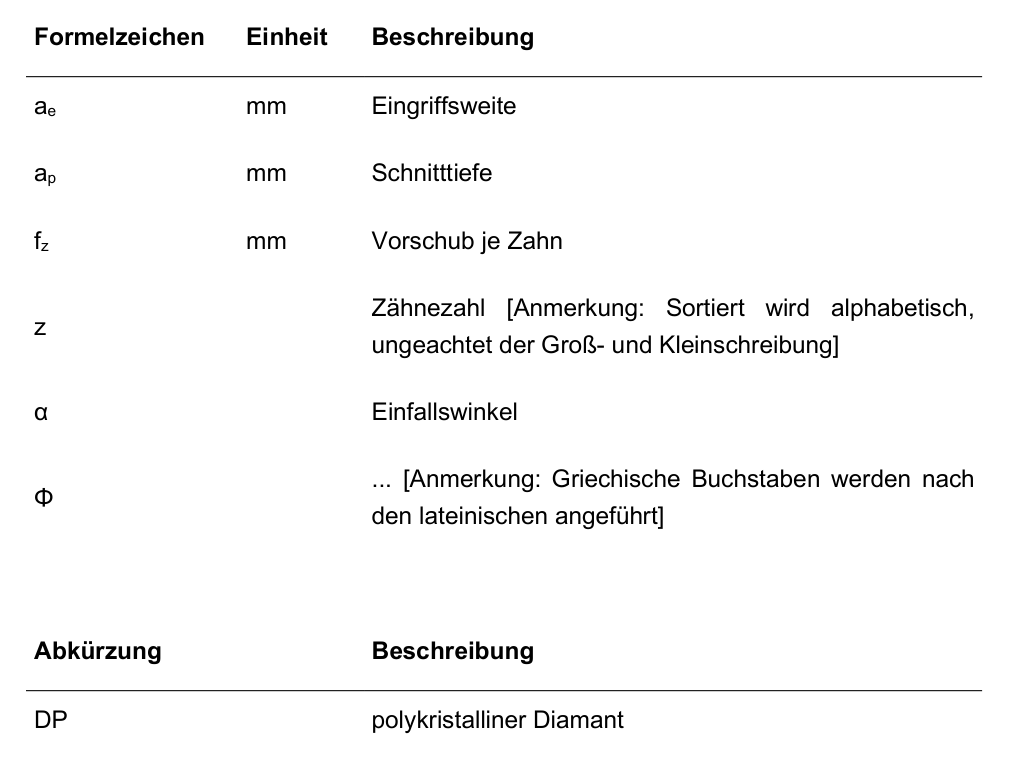
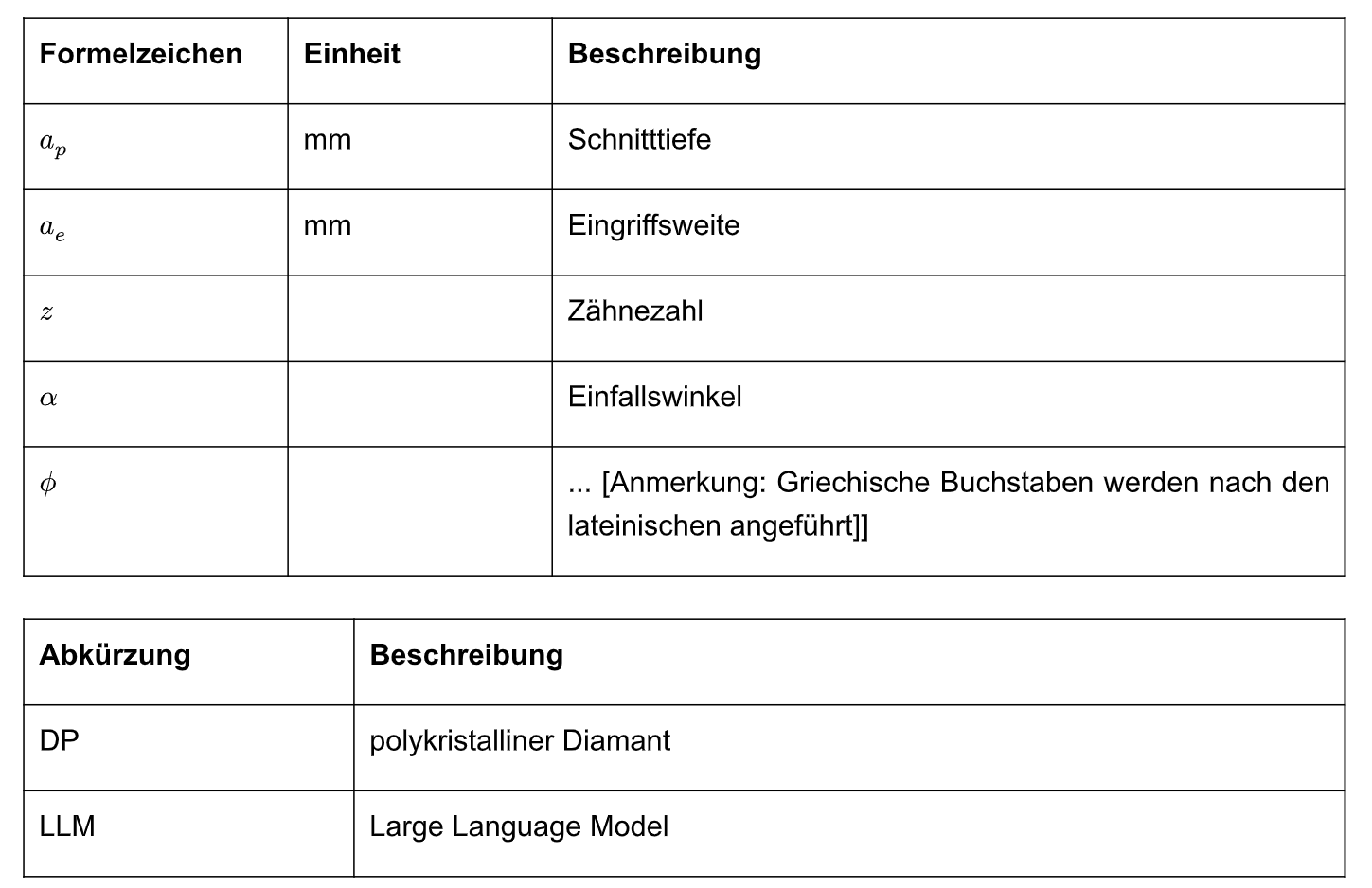
 I would really like to avoid having to keep track of all symbols and abbreviations manually throughout my thesis, so glossarium seemed like the right choice for me.